
Common Name: Black Garden Ant
Scientific Name: Lasius niger
Family: Formicidae
Subfamily: Formicinae
General Information
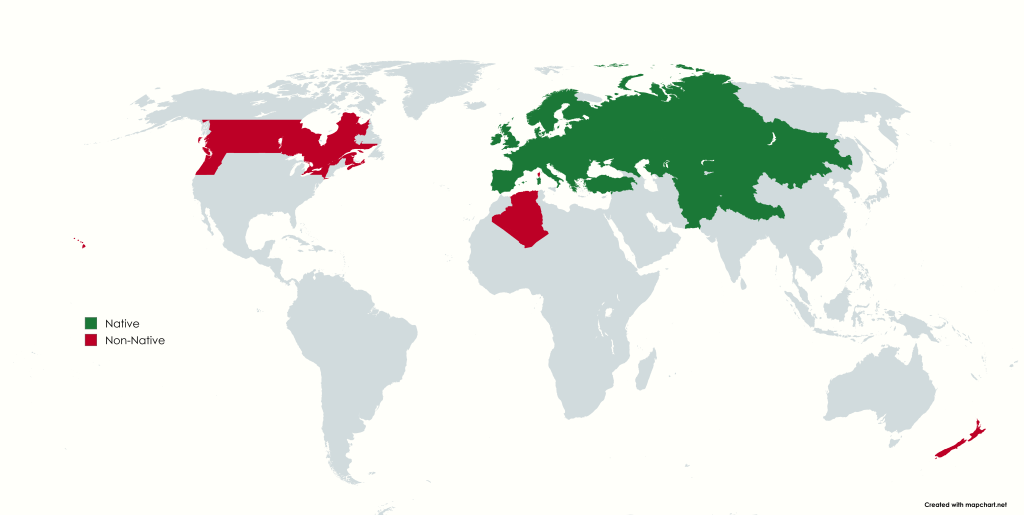
Native Range: Europe, parts of Asia, and introduced to North America
Habitat: Urban areas, grasslands, forests, gardens
Colony Size: Large (100,000+ workers)
Colony Type: Monogynous (single queen)
Physical Description
Worker Size: 3-5 mm
Queen Size: 6-9 mm
Coloration: Dark brown to black
Notable Features: Glossy exoskeleton, slender body, relatively small eyes
Behavior & Diet
Activity Cycle: Diurnal (day active)
Diet: Omnivorous; feeds on honeydew, insects, and sugary substances
Foraging Behavior: Trail-based foraging, cooperative food gathering
Aggressiveness: Moderate; will defend the colony but not highly aggressive
Reproduction
Mating Flights: Occur in summer (July-September) during warm, humid conditions
Egg to Adult Timeline: Approximately 6-8 weeks
Brood Care: Queen initially cares for brood; workers take over once established
Ant Keeping Information
Difficulty Level: Beginner
Nest Type Preference: Soil, test tube, formicarium
Humidity Requirements: Nest: 60%-70% Outworld: 30%-50%
Temperature Requirements: 20-28°C
Escape Risk: Low
Hibernation Required: October-March at 5 – 8°C.
Environmental Impact
Ecosystem Role: Lasius niger plays a vital role in soil aeration and nutrient cycling by tunnelling and foraging.
Mutualistic Relationships: They farm aphids for honeydew, which can impact plant health by increasing aphid populations.
Threats: Habitat destruction, pesticide use, and climate change may affect their populations in some areas.
Invasive Potential: While not highly invasive, they have been introduced to North America and may outcompete native ants in some environments.
IUCN Status: Lasius niger is currently listed as Least Concern (LC) by the IUCN due to its widespread distribution and stable population
Interesting Facts
- Lasius niger queens can live for up to 30 years, making them one of the longest-living ant species.
- Their workers create long, organized foraging trails to food sources.
- They are highly adaptable and thrive in urban environments.
References & Additional Resources:
 Alex's Ants
One thought on “Species Profile: Lasius niger”